Start with the training offer
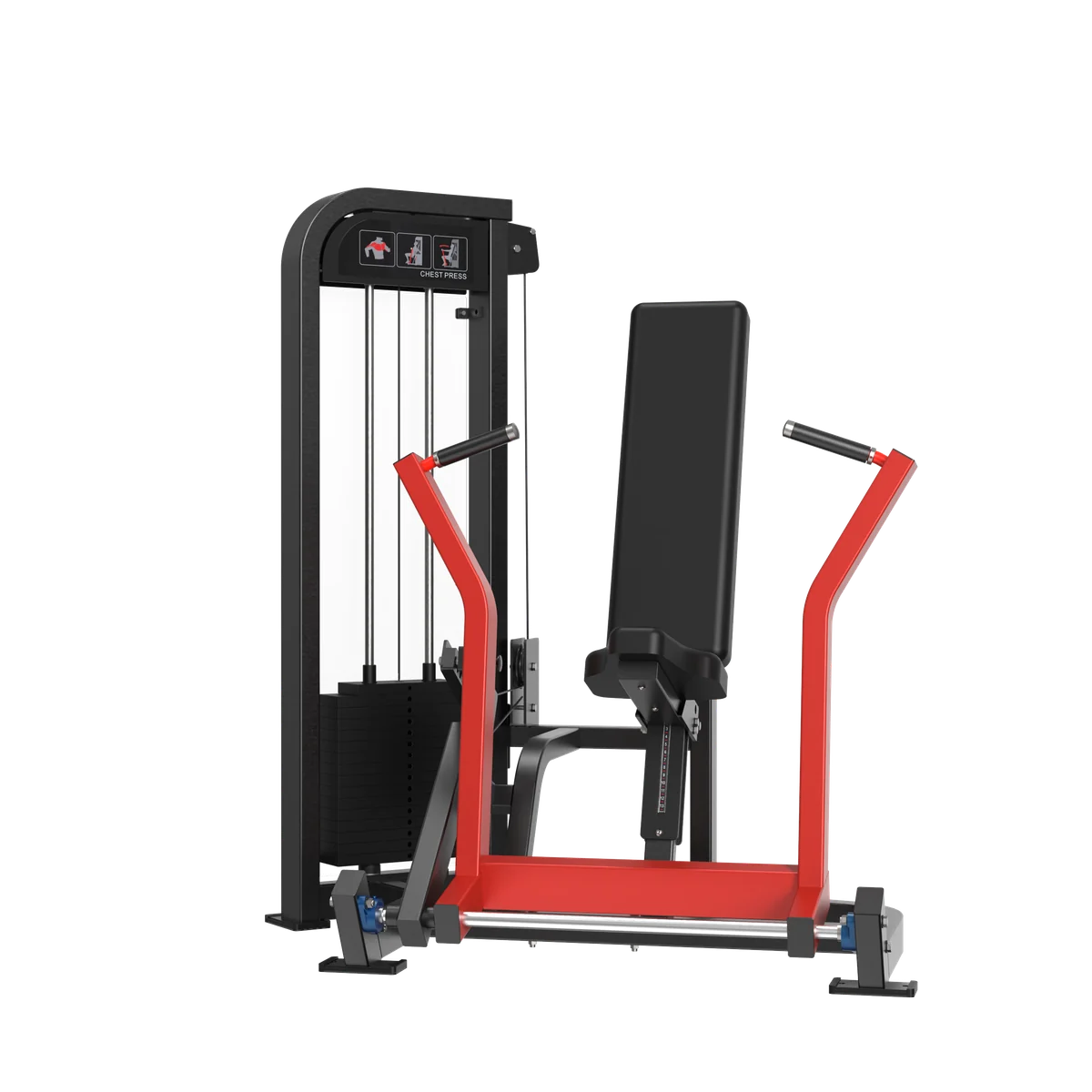
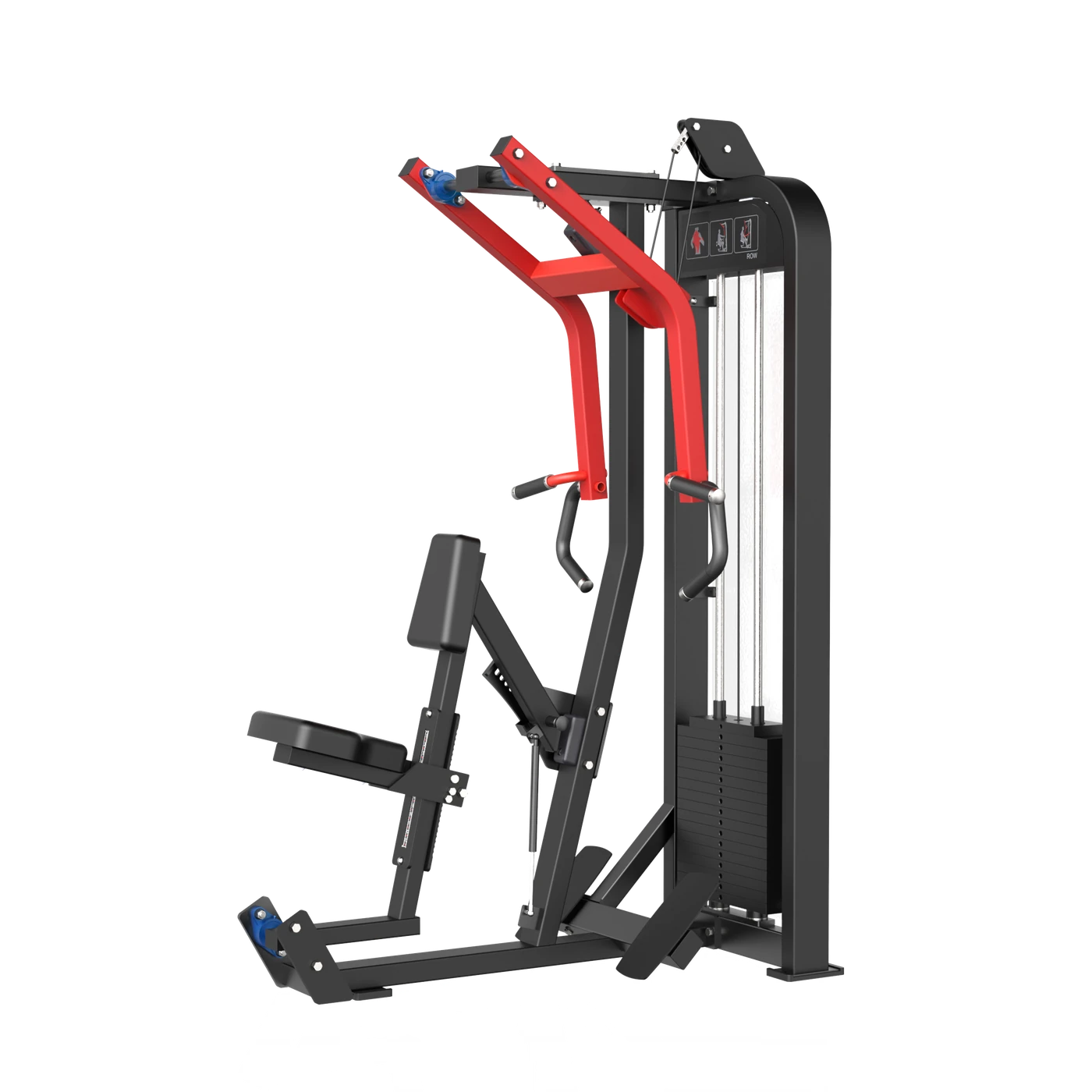
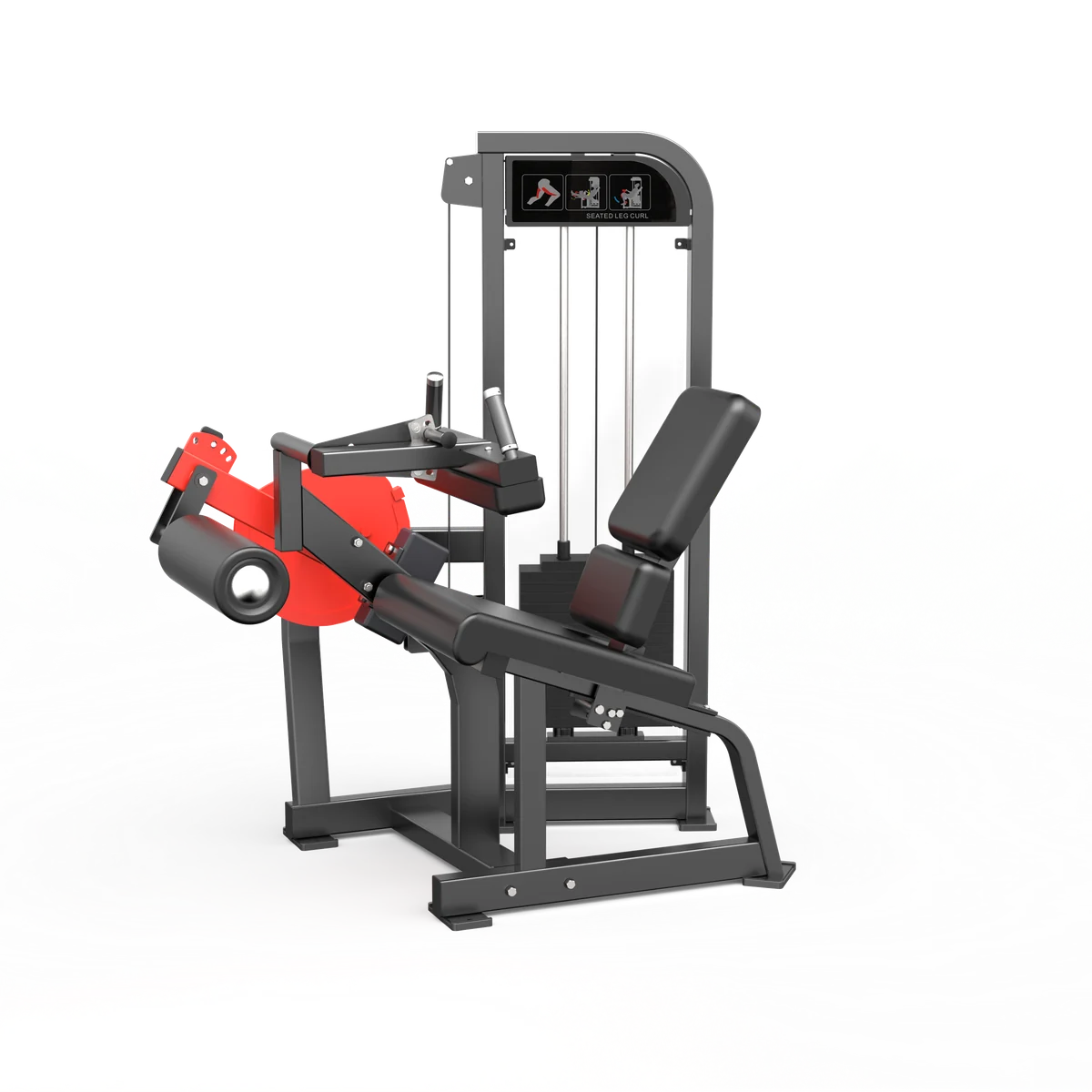
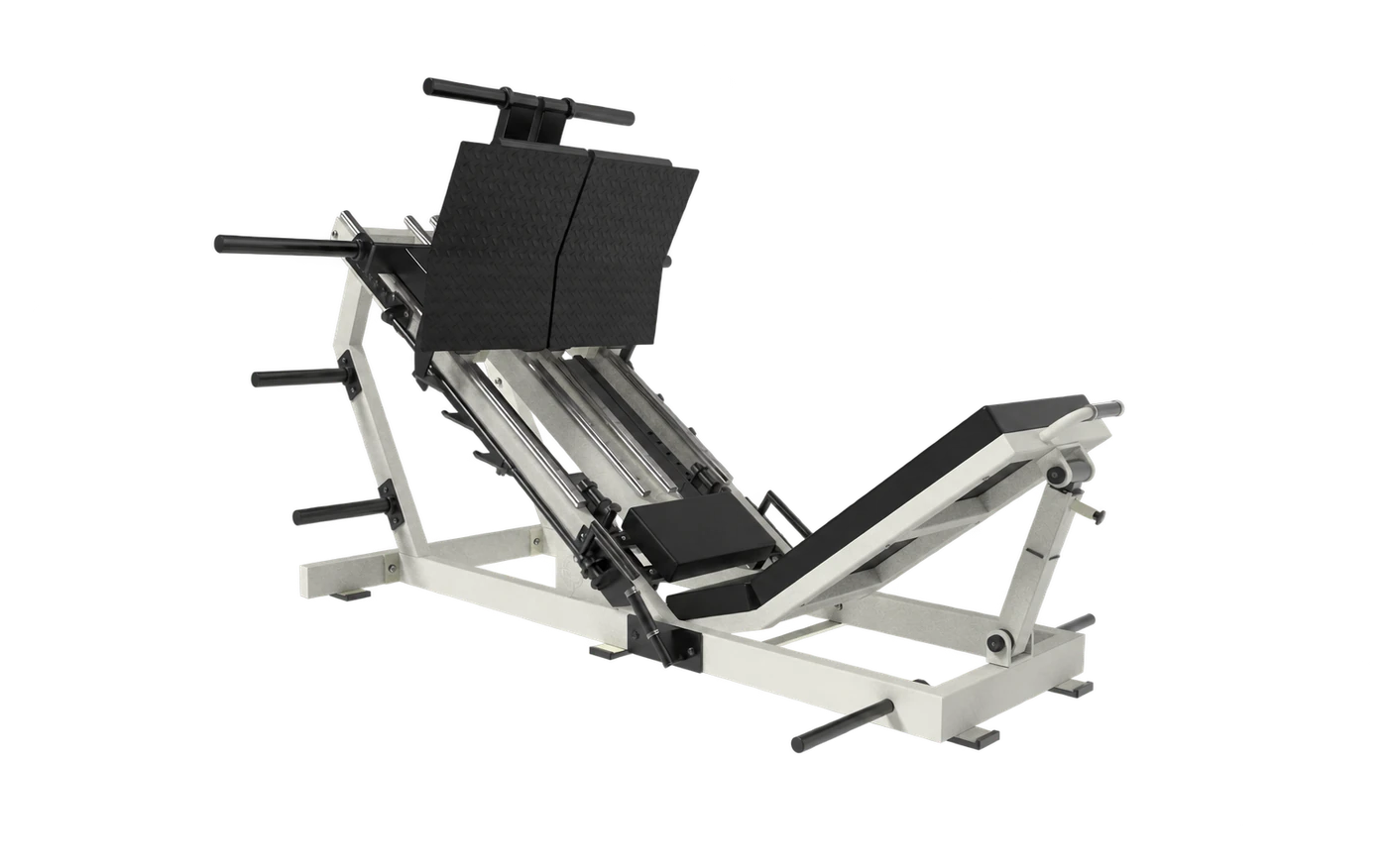
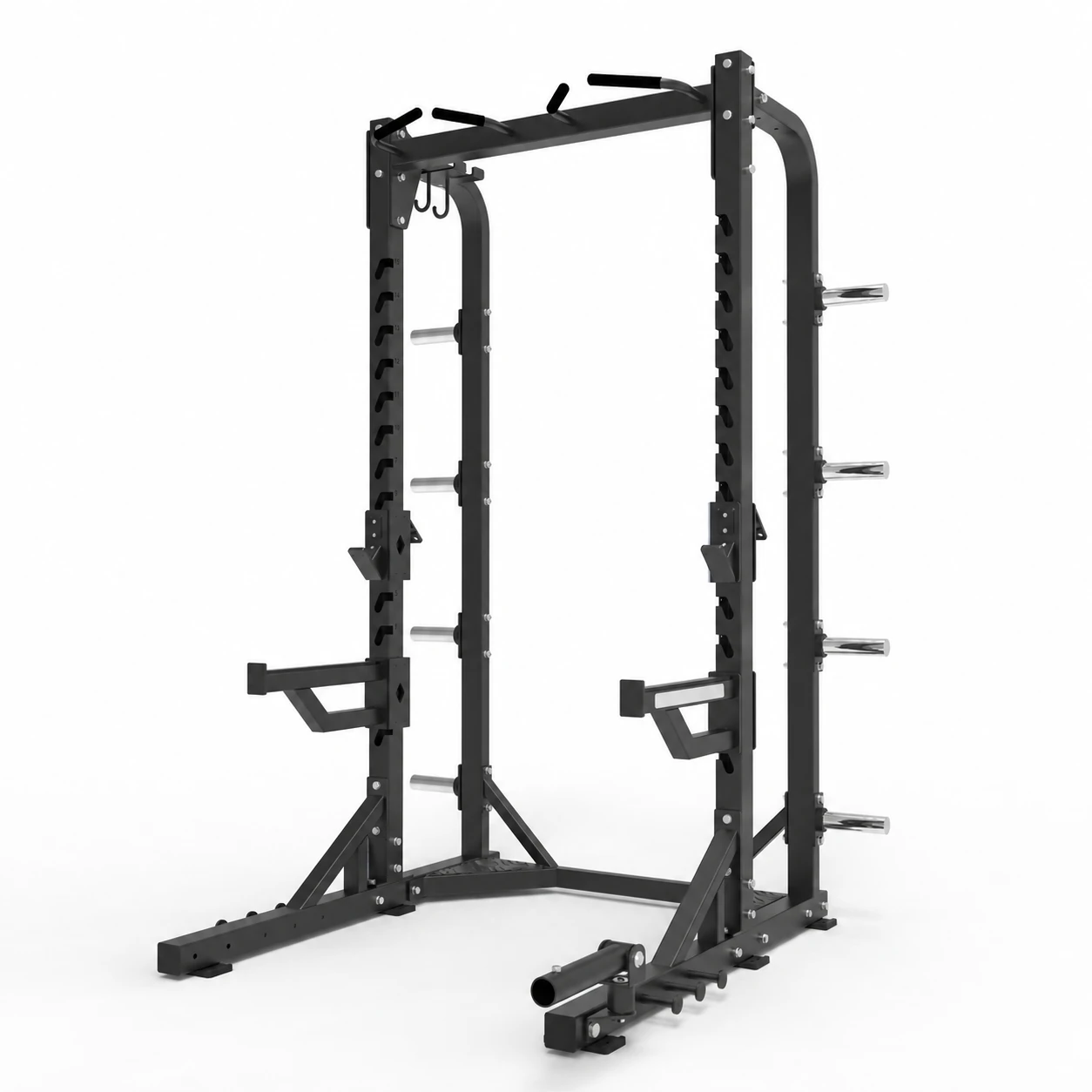
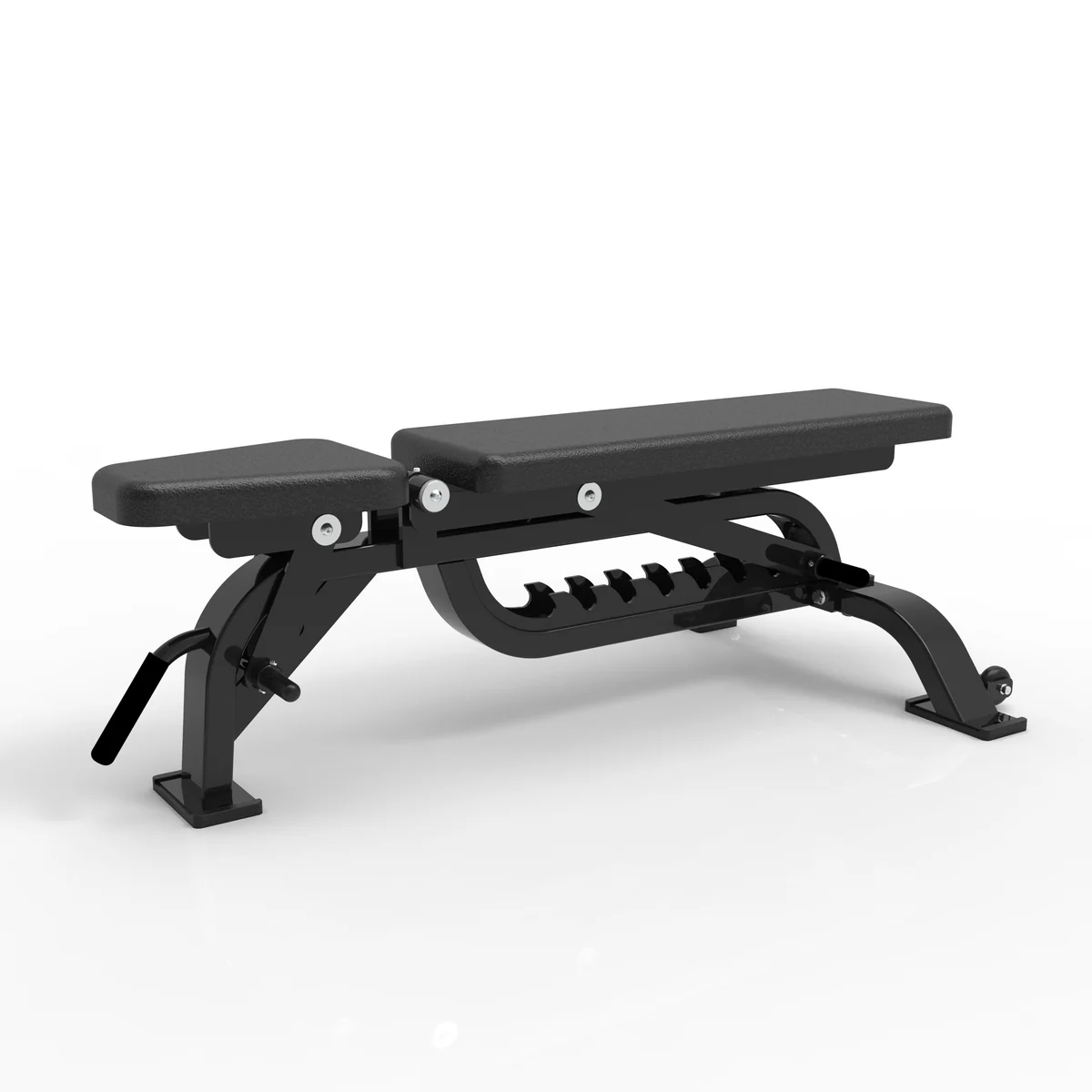
Define which activities the gym will sell: general membership, coached strength sessions, personal training or a combination. Then list the movements and training stations required before choosing individual machines. A chest press, row, leg curl and leg press can support different parts of a basic strength offer; a rack and adjustable bench introduce another training format. The exact mix depends on your member profile, coaching model and competing facilities. Do not assume that a larger list produces a more useful gym.
Plan zones before quantities
Reserve space for circulation, storage, staff access and any non-training functions before allocating equipment zones. Compare installed dimensions with the full operating envelope of each machine, including moving arms, loading positions and user access. Keep free weights and plate storage close enough for practical use without blocking routes. Cardio positions require checks for model-specific clearances, power and ventilation. A dimensioned floor plan, structural review and local requirements determine the final layout; the area range alone cannot establish a safe equipment count.
Separate the opening list from later additions
Choose an opening list that covers the principal movements, then mark specialist pieces as a second purchasing phase. A pendulum squat or an additional cable station may be useful for a particular audience, but should be considered against the space and budget already allocated to essential equipment. Record each line as a machine, station, pair, set or kilogram as appropriate. Identify plates, bars, collars, handles and storage as separate lines unless a written quotation explicitly includes them.
Compare the complete project budget
Separate the equipment budget from packing, freight, insurance, import charges, destination handling, local delivery, assembly and building work. Keep an allowance for flooring, electrical work and any professional layout or structural advice your project needs. Quote comparison should use the same model, configuration, quantities and named delivery basis. Share your destination and target opening date so that the purchasing sequence can be discussed; an opening target is not a confirmed production or delivery commitment.
Prepare an RFQ that can become a working list
Send the floor plan with usable dimensions, intended training offer, preferred equipment and any existing machines you will retain. Identify the delivery city or port, equipment-only or landed budget, and target timing. A useful next step is an itemised selection with equipment priorities and clear supply boundaries, followed by a layout review and a written commercial quotation for the agreed scope.