Let the session format set the priorities
Record whether the studio operates individual personal training, coached small groups, open strength training or scheduled circuits. Map a typical session before choosing equipment: where a client starts, which stations are used together and what must be adjusted between exercises. This identifies where duplicate equipment may be useful and where a single versatile station is sufficient. An equipment list alone cannot establish how many clients can train safely at once.
Compare specialist lower-body choices
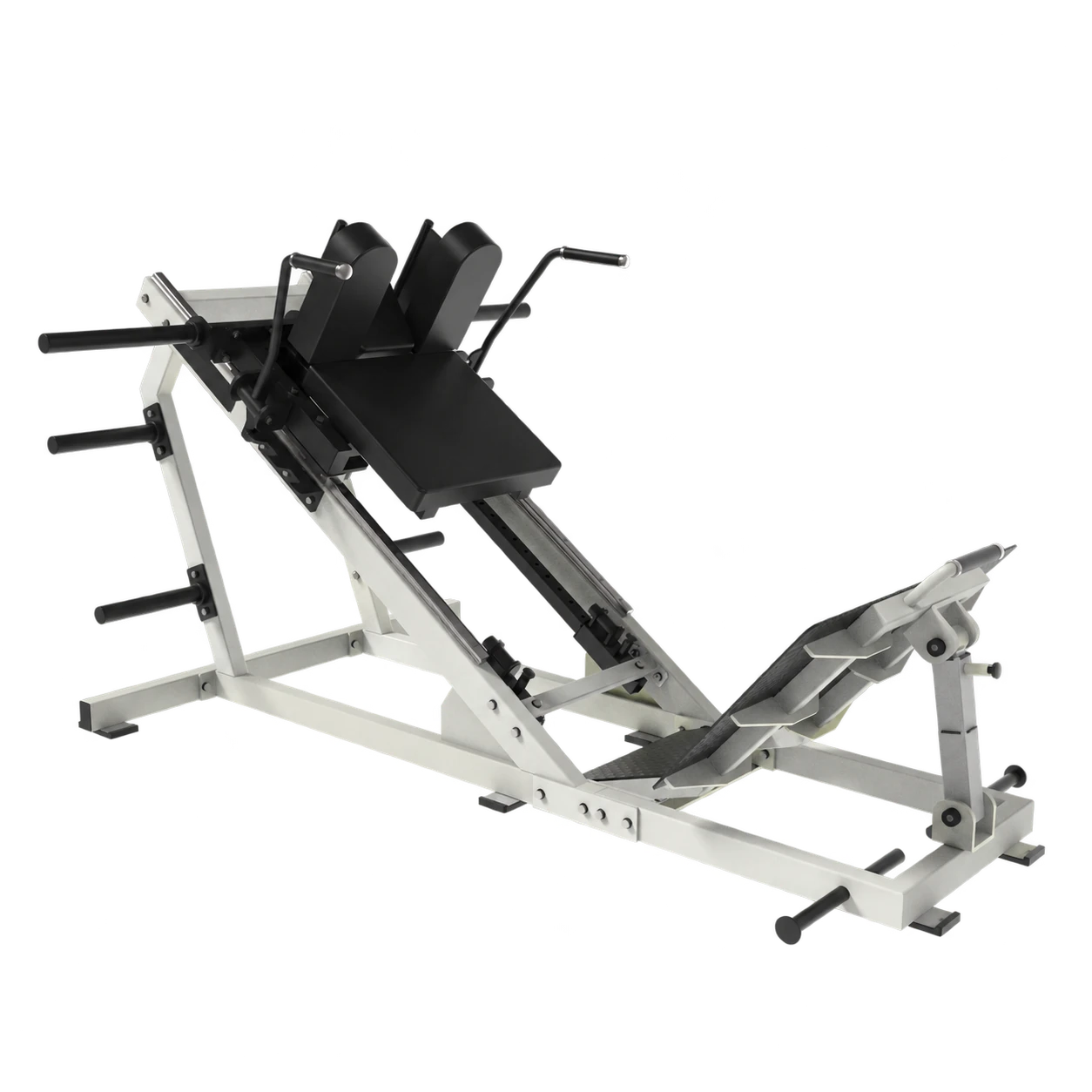
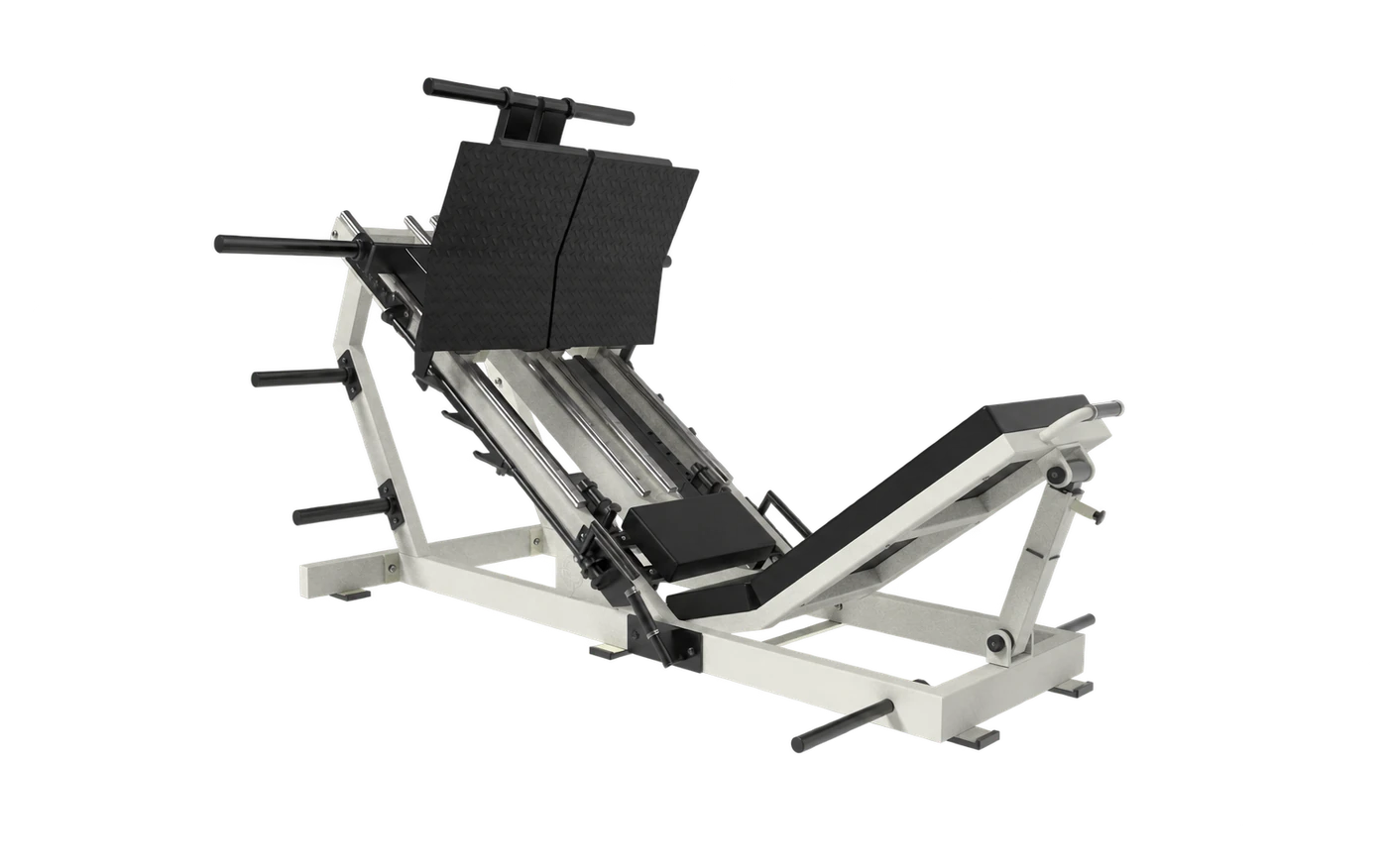
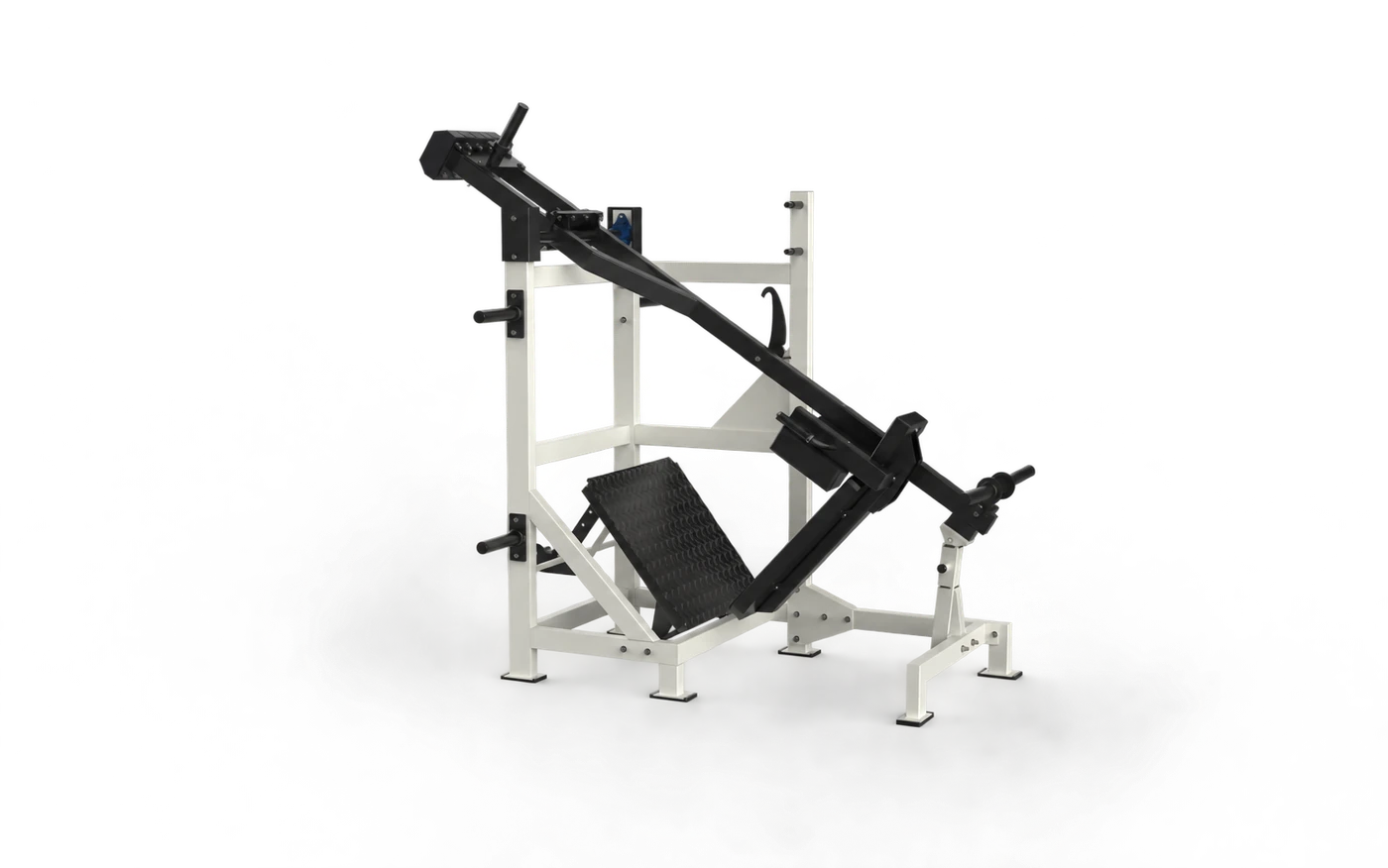
A hack squat, linear leg press and pendulum squat have different structures and loading arrangements. Review the exact model rather than treating the names as interchangeable. Decide which movement patterns and coaching methods the studio needs first, and compare footprint, operating envelope, plate-loading access and adjustment details. Adding all three may fit a specialist offer, but may also consume space needed for cables, free weights or coach movement. Selection should follow the training plan and the verified machine information.
Treat free weights as a complete system
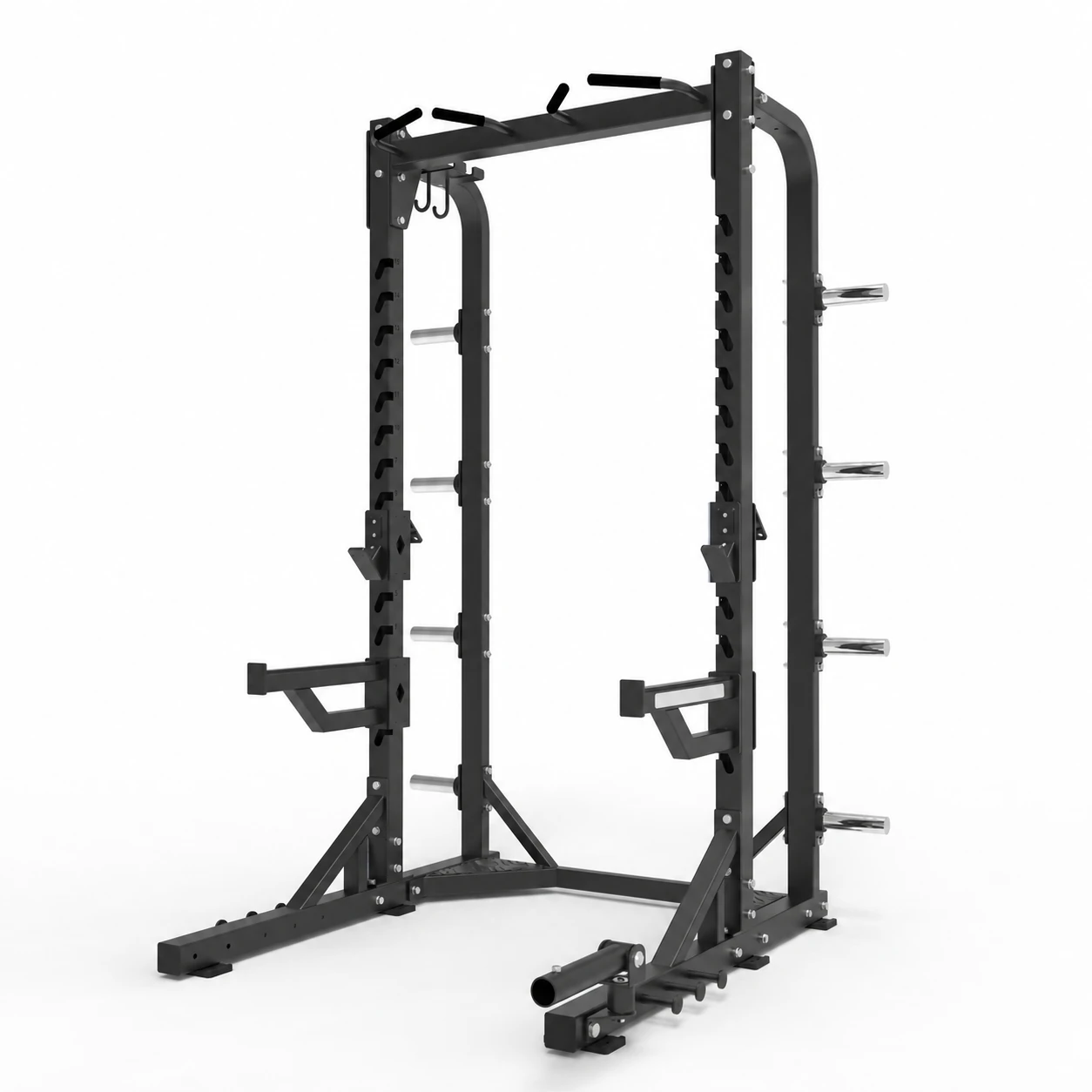
Specify the rack and bench configuration together with bars, collars, plate-hole compatibility and the plate distribution required. State dumbbells by weight range, increment and number of pairs, then check the actual storage arrangement against the complete set. A rack described by its number of tiers does not establish how many of your selected dumbbell pairs fit. Keep plate storage and pickup positions within the layout review rather than adding them after the training area is filled.
Protect room for coaching and changeovers
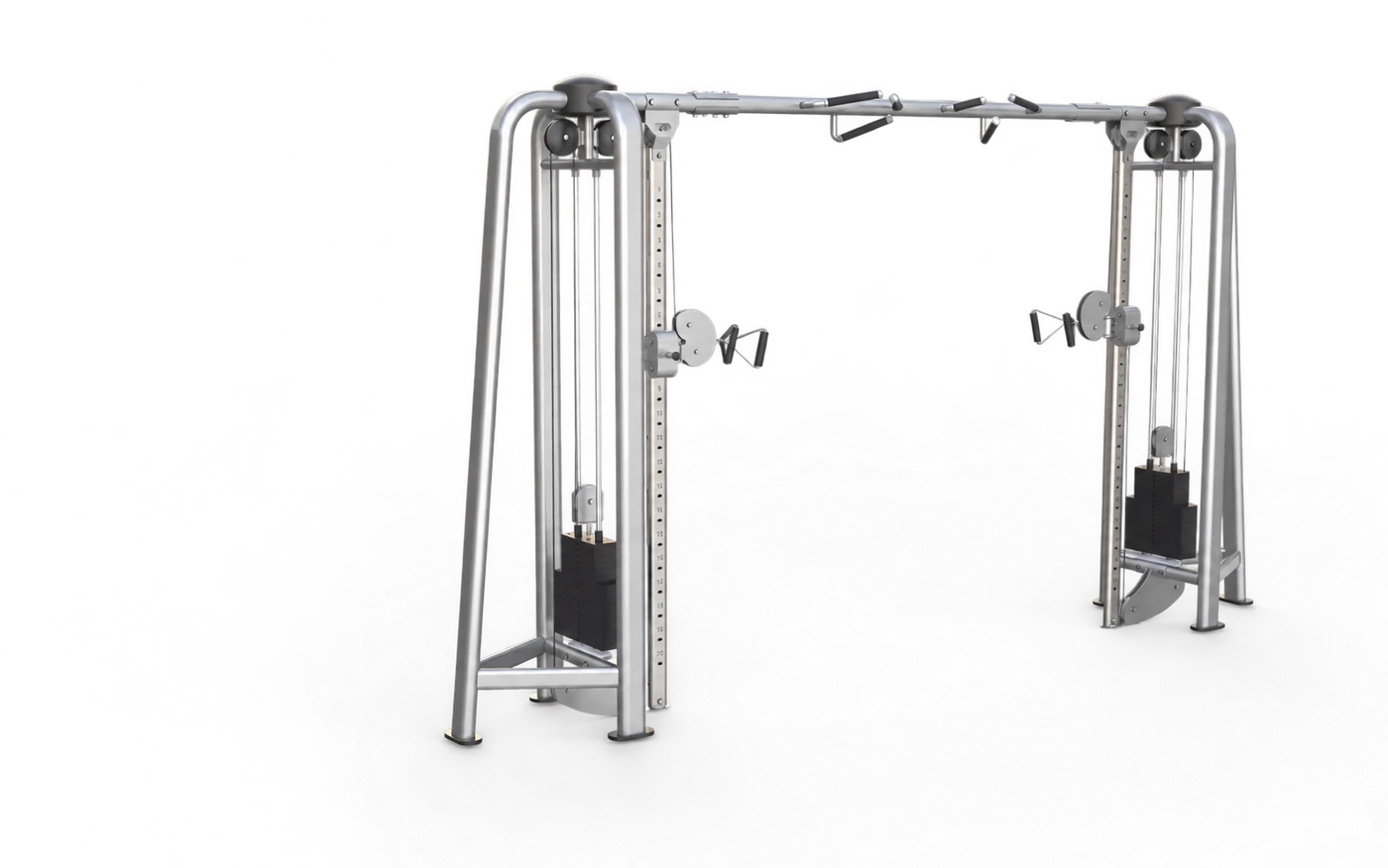
Separate the machine outline from moving parts, loading positions, bench adjustment, user entry and the coach's working position. Check any ceiling-mounted services or obstructions against cable and rack configurations. Reserve clear routes to exits and space to store movable accessories during sessions. Floor loading, anchoring, electrical needs and local safety requirements require project-specific assessment. The planning area is a discussion context and is not an approved layout or a structural statement.
Phase the purchase without losing the training offer
Build the first phase around the sessions that will operate at opening. Mark specialist additions separately, including any extra plates, handles or storage that those additions require. Separate equipment prices from freight, taxes, local handling and assembly. Share the floor plan, existing equipment, session format, priority movements, destination and equipment budget. A useful quotation should identify the exact models, configurations, quantities, units and inclusions so that alternatives can be compared without silently reducing your training scope.